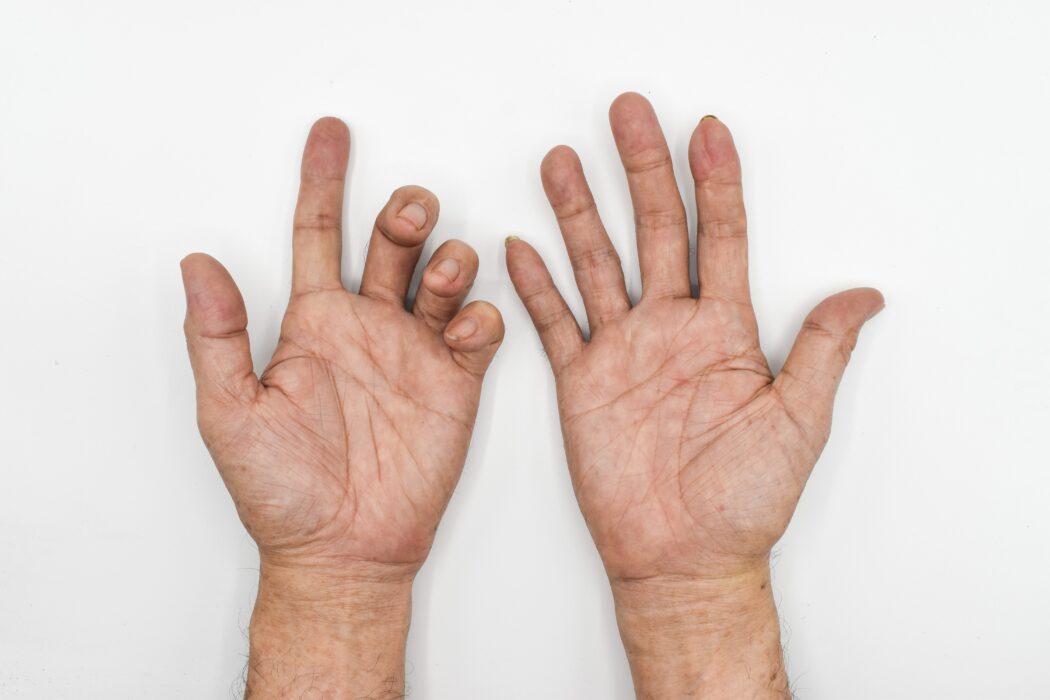
If you’ve experienced nerve damage, you may understandably be worried and uncertain, especially if your symptoms are affecting your everyday life. You may be wondering whether recovery is possible and what life might look like long term.
Unfortunately, there isn’t a simple yes or no answer. Nerve damage can sometimes heal, but the extent of recovery depends on a range of factors, including the type of nerve that has been affected, the severity of the injury, and how quickly treatment is received.
In this guide, we’ll explore how nerve damage heals, what influences recovery, and what support is available to help moving forward.
If you’ve suffered nerve damage due to medical negligence, you could be eligible to make a nerve damage claim. Get in touch with the Medical Law Partnership for more information and to help you better understand your options.
Can nerve damage heal by itself?
In some cases, yes – nerve damage can heal on its own, particularly when the damage is mild and treatment is received early. Recovery time largely depends on which nerves have been affected and the extent of the injury.
Your peripheral nerves (those outside the brain and spinal cord) have some ability to regenerate. In many cases, if they are damaged but not completely severed, they may slowly repair themselves over time with the appropriate treatment and support.
However, nerves in the central nervous system (the brain and spinal cord) generally heal much more slowly. Damage to these areas is often more serious and may result in long-term symptoms, so recovery times vary more widely from person to person and may require ongoing treatment.
How long does nerve damage take to heal?
Nerve healing is a slow process. In cases where recovery is possible, nerves regenerate at a rate of around 1 millimetre per day.
It’s important to understand that everyone’s healing journey is different. Some people may recover more quickly, while others may experience lingering symptoms, even after the nerve has started to recover.
What affects nerve healing?
There are several factors that can influence how well and how quickly nerve damage heals:
Severity of the damage
This is one of the most important factors. Mild damage, such as compression or irritation, is more likely to heal fully. Severe damage, such as a completely severed nerve, often requires surgical intervention and may never heal fully.
Type and location of the nerve
As mentioned earlier, peripheral nerves have a better chance of healing than those in the brain or spinal cord. The location of the injury can also impact how noticeable the symptoms are and how complex treatment may be.
Speed of diagnosis and treatment
Early intervention can make a significant difference to your prognosis. Prompt treatment may help prevent further damage and improve the chances of recovery. Delays in diagnosis, particularly in cases of medical negligence, can lead to more severe or permanent outcomes.
Age and overall health
Younger people and those in overall good health may recover more quickly than older people or those with health conditions. In particular, conditions such as diabetes, poor circulation, or vitamin deficiencies can slow the healing process.
Rehabilitation
Physiotherapy and other forms of rehabilitation can support recovery, helping the body adapt and regain function.
What are the signs that nerve damage is healing?
Some signs that nerve damage is healing include:
- A gradual return of sensation in the affected area
- Reduced pain or tingling
- Improved strength or muscle control
- Increased range of movement
Nerve regeneration can also sometimes cause unusual sensations, such as tingling or pins and needles. While this can be uncomfortable, it may actually be a sign that the nerve is repairing itself.
If you’re unsure whether your symptoms are improving, it’s always best to seek medical advice.
Can nerve damage be permanent?
Unfortunately, yes – nerve damage can be permanent, especially if the injury is severe, treatment was delayed, or the damage was left completely untreated.
Permanent nerve damage may result in:
- Ongoing pain or discomfort
- Numbness or loss of sensation
- Muscle weakness or paralysis
- Difficulty with coordination or movement
Even where full recovery isn’t possible, treatment and specialist support can often make a difference to day-to-day life, helping to maintain independence, manage symptoms, and improve quality of life.
What treatments are available for nerve damage?
Treatment for nerve damage will depend on the cause and severity of the injury. However, in many cases, a combination of several of these approaches is used:
- Medication: Pain relief medications may be prescribed to manage symptoms such as nerve pain.
- Physical therapy: This can help maintain muscle strength, improve mobility, and prevent further complications.
- Surgery: In more severe cases, surgery may be required to repair or relieve pressure on the nerve.
Lifestyle changes: Managing underlying conditions, maintaining a healthy diet, and avoiding further injury can all support recovery.
When should you seek medical advice?
If you think you have nerve damage, no matter how minor , it’s important to seek medical attention as soon as possible.
Common symptoms to look out for include:
- Persistent numbness or tingling
- Sharp, burning, or shooting pain
- Muscle weakness
- Loss of coordination
- Sensitivity to touch
Early diagnosis can help prevent further damage and improve your chances of a full recovery.
What if nerve damage was caused by medical negligence?
In some cases, nerve damage may occur as a result of medical errors or failures in care, such as surgical mistakes, delayed diagnosis, or incorrect treatment.
If you believe the care you received fell below an acceptable standard, then you may be entitled to make a nerve damage compensation claim.
Compensation can help cover the physical, emotional, and financial effects of the injury, including ongoing treatment and loss of earnings.
At the Medical Law Partnership, we understand that dealing with nerve damage can already feel distressing, but our friendly team will always take the time to listen and advise you of your options. We work on a no-win, no-fee basis, which means starting a claim is free, and you won’t pay anything if your claim is unsuccessful. If your claim is successful, a small percentage of your winnings will go towards covering your legal fees.
Get in touch today for a free, no-obligation consultation. We’ll advise you on whether you have a valid nerve damage claim and talk you through the next steps.