
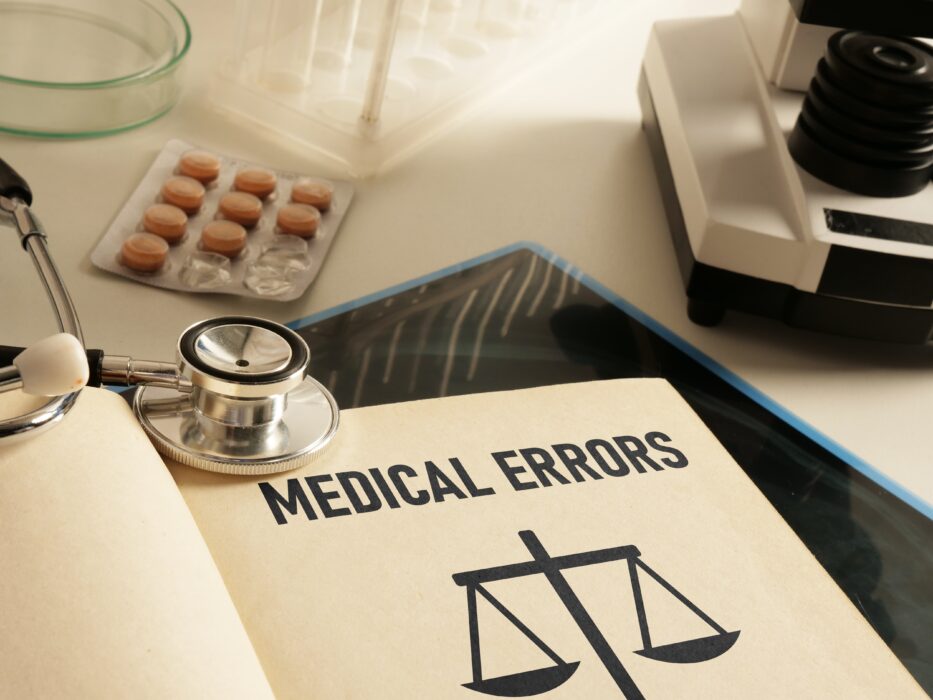
The NHS (National Health Service) provides healthcare to millions of people in the UK every day. But unfortunately, mistakes do happen, and when they happen you may question “How do I sue the NHS for negligence?” In this blog, we will explain how the medical negligence claims process works, and what you can expect when making a claim.
Can I actually sue the NHS for negligence?
Yes, if you have experienced avoidable harm in any capacity because a healthcare professional within the NHS has breached their duty of care, you may be able to make a claim. It’s important to note that claims are usually made against the relevant NHS Trust, rather than against the individual person who treated you.
There are two key elements that must be proven to make a claim, they are:
- A breach of duty: The care provided did not meet the acceptable standards.
- Causation: The breach or failure directly caused harm or worsened your condition.
If you’re unsure whether your experience amounts to negligence, a specialist solicitor like the Medical Law Partnership can be on hand to review your case and explain whether you may be able to sue the NHS for negligence.
Common Types of NHS Medical Negligence Claims We See
You can sue the NHS for a wide range of medical errors including:
- Misdiagnosis: If you’ve experienced a missed, delayed or incorrect diagnosis, and this has led to your condition worsening or further treatment and avoidable complications.
- Birth injuries: This applies to any avoidable harm suffered by the mother or baby during pregnancy or delivery
- Cancer diagnosis claims: Failure to diagnose or treat cancer promptly.
- Medication errors: This relates to prescription errors of any kind, for example, if you have been given the wrong medication or incorrect dosages.
- A&E Claims: Errors due to misjudgements made by clinical staff or issues within the hospital system.
- Surgical Error Claims: If something has gone wrong during an operation, or errors occurred harming you or affecting your surgical outcome. This also relates ‘never events’ that should never happen if proper safety measures were followed.
Can’t see your type of negligence above, you may still be able to make a claim? Search for more information using our search bar on our website and see if you can make a claim today.
How to Sue the NHS For Negligence
Suing the NHS can feel daunting, especially when you’re already dealing with the physical and emotional impacts but understanding the process can help you feel more confident about your options.
- Seek Specialist Legal Advice First
The first step in suing the NHS for negligence is speaking with a solicitor who specialises in NHS medical negligence claims like The Medical Law Partnership. We will listen to what has happened to you with compassion and understanding, review key details, and advise whether you may have a valid claim.
You don’t need to have all the answers; all we’re doing at this stage is helping you understand your rights and working out if further investigation is the appropriate next step for you.
- Gathering Medical Records and Evidence
If your solicitor believes there may be grounds for a claim, they will start by obtaining your medical records. You do not need to do anything at this stage, as you’ve done the hardest part by getting in touch with us. Our in-house team of highly experienced solicitors will work on your claim and gather all the evidence needed on your behalf.
- Letter of Claim
Once sufficient evidence has been gathered, your solicitor will send a formal Letter of Claim to the NHS Trust who was responsible for your care. This letter will set out:
- The allegations of negligence that took place
- How the NHS breached its duty of care
- The harm caused to you as a result
- The basis of the compensation claim
The NHS Trust then has four months to investigate the claim and provide a written response. During this period, your solicitor will continue to build the evidence for your claim.
- Negotiation and Settlement
Many NHS claims are resolved through negotiation without the need for a court hearing. If the NHS makes an offer, your solicitor will advise whether it fairly reflects the impact of your negligence.
If an agreement cannot be reached, court proceedings may be issued, but it is very rare for medical negligence claims to go to court. Once a settlement is agreed, your compensation will be paid to you in accordance with the terms of the settlement.
Can I Sue the NHS on a No Win, No Fee Basis?
Yes, we run many NHS medical negligence claims through our no win, no fee agreement (also known as a Conditional Fee Agreement). All this means is you will not have to pay any legal fees upfront, making it much easier to purse a claim with little financial risk. We will explain our conditional fee agreement during our initial conversations with you.
How Long Do You Have to Sue the NHS?
In most cases, you have three years from the date the negligence occurred, or from the date you first became aware that negligent treatment caused your injury. This does differ slightly for children and people who lack mental capacity but if you need more information on this, we recommend you read our blog on time limits for making a medical negligence claim. But we always advise if you’re unsure, just speak to us on 0800 014 7551 and we can point you in the right direction even if that isn’t us.
We will guide you through every step of the claims process with empathy, compassion and expertise. Contact us today for your free, no-obligation consultation with our team.