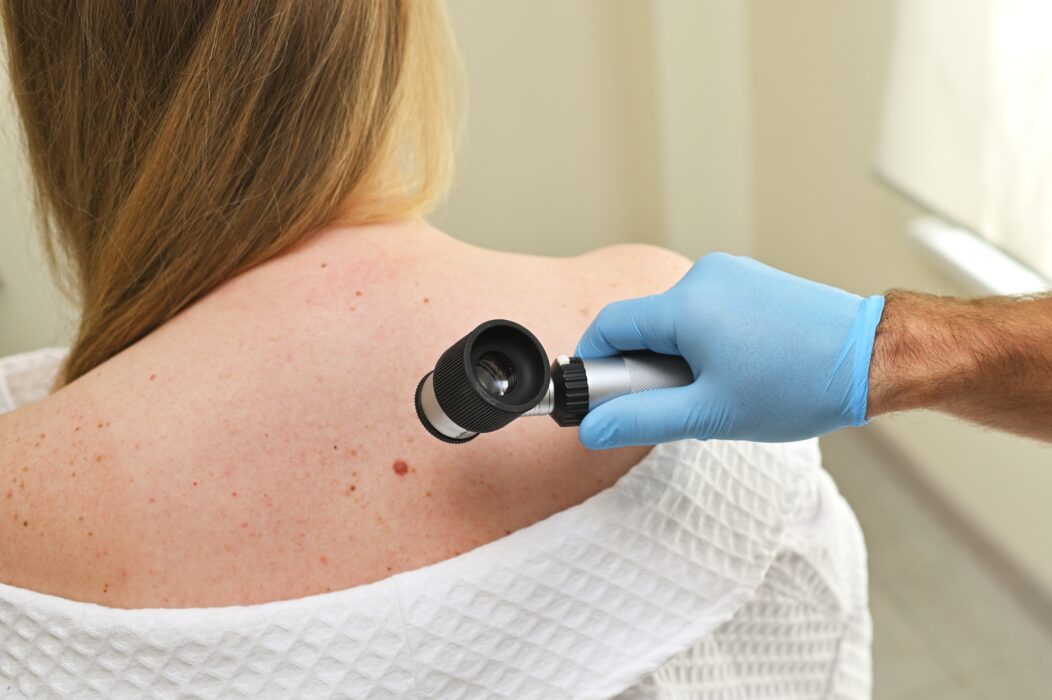
Noticing changes in your skin can always feel worrying, but being aware of what to look out for can help you take action early and give yourself better peace of mind. New, changing, or unusual growths, moles, or sores on your skin don’t always indicate cancer, but checking with your doctor can ensure you get the right advice and care you need. It’s important to recognise the symptoms and consult your doctor as soon as possible if you notice any changes to your skin, especially in areas that are often exposed to the sun.
In this guide, we’ll explain what the early signs of skin cancer are to help you know exactly what to look out for.
If you believe your doctor may have missed something or failed to identify the signs of skin cancer early on, you may be eligible to make a skin cancer misdiagnosis claim for compensation. Get in touch with the Medical Law Partnership for free today to chat through your concerns with our supportive team.
What are the early signs of skin cancer?
It’s natural to be cautious about changes in your skin, but noticing them early can help you get the right advice and care you need. The main signs to look out for are a growth or unusual or changing patch on your skin. This could include:
- A sore: This may be see through, shiny, pink, white, or red. It might feel sore, rough, and have raised edges. It will typically show no signs of healing even after 4 weeks of appearing.
- An ulcer: Keep an eye out for an area of skin that has inexplicably broken down and doesn’t heal within 4 weeks.
- A lump: Be wary of unexplained lumps, even if they’re small or slow-growing. The lump may look shiny or be pink or red.
- Red patches: While red patches on your skin could be a sign of other, non-cancerous skin conditions, it’s best to get it checked out anyway just to be safe.
- Freckles or moles: Changes to moles or freckles may be a sign of a serious type of skin cancer called melanoma.
It’s most common for skin cancer to develop on areas of the skin that are frequently exposed to the sun, such as your head, face, shoulders, neck, and hands. It helps to know what your skin normally looks like so that any changes are easier to notice.
Spotting melanoma: The ABCDE checklist
Melanoma is the most dangerous type of skin cancer that can spread quickly to other areas of the body. For this reason, it’s especially important to identify this type of skin cancer early on and why noticing potential warning signs is so important.
The ABCDE checklist is used to help monitor and differentiate cancerous moles or spots from normal ones and help you decide when to consult a doctor:
- Asymmetry: Moles could be cancerous if they have an irregular shape rather than being round and symmetrical.
- Border: Uneven or ragged edges could indicate that a mole or spot is cancerous.
- Colour: Moles that are multiple colours, rather than one consistent colour, could be cancerous. Look out for shades of brown, black, red, or blue that seem out of the ordinary.
- Diameter: Cancerous spots or moles are typically larger than 6mm (about ¼ inch), although they can sometimes be smaller.
Evolution: If a mole or spot changes in size, colour, or shape, this could be a sign of cancer.
When should I consult a doctor?
If you’ve noticed any changes to your skin that feel unusual or out of the ordinary, it’s a good idea to speak with your doctor right away – detecting skin cancer early can make a big difference in ensuring the right treatment and the best chance of recovery.
Contact your GP if you have a sore or area of skin that:
- Looks unusual
- Doesn’t heal within 4 weeks
- Hurts, is itchy, bleeds, crusts, or scabs for more than 4 weeks
If the early signs are there, your doctor should be able to diagnose skin cancer and get you the treatment you need before the cancer worsens or spreads. If your doctor fails to spot the early signs of skin cancer and your condition worsens as a result, then you may be eligible to make a skin cancer misdiagnosis claim.
My doctor failed to notice the early signs of skin cancer – what should I do next?
In most cases, a doctor will be able to identify the early signs of skin cancer, and will refer you to a specialist if they suspect a mole or spot may be cancerous. However, doctors can sometimes overlook and misinterpret early signs of skin cancer. If you think this has happened to you, then you may be eligible to make a medical negligence claim.
At the Medical Law Partnership, we help patients get the justice and compensation they deserve for negligent medical care. In cancer cases, this usually involves healthcare professionals failing to diagnose cancer or diagnosing cancer too late, resulting in the cancer spreading to other areas of the body and/or becoming harder to treat.
We’re one of few law firms in the UK that specialise exclusively in medical negligence. Our team consists of both legal professionals and medical experts, allowing us to understand exactly what went wrong with your care and build the strongest possible claim on your behalf.
You don’t need to have all your medical records to hand; we can guide you through the process and support you every step of the way.
If you think you may have a claim, get in touch for free today to discuss your situation with a member of our team. We’ll explain your options clearly and help you take the next steps in your recovery.